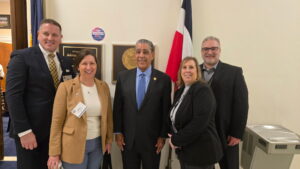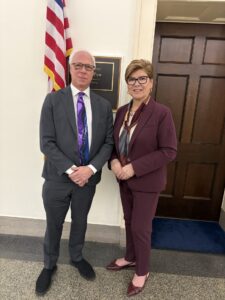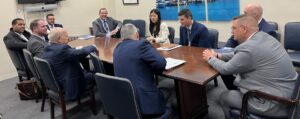

Washington, D.C. — On March 4, 2026, the freight rail industry once again convened in the nation’s capital for Railroad Day on Capitol Hill—one of the largest and most coordinated advocacy events of the year. Organized by the American Short Line and Regional Railroad Association, hundreds of professionals from Class I and short line railroads, rail suppliers, and community and business leaders fanned out across Capitol Hill for hundreds of meetings with lawmakers and staff.
The message was clear and consistent: support policies that strengthen freight rail’s ability to invest, innovate, and serve communities nationwide.
Top Policy Priorities Shared with Congress
This year’s unified message drew directly from priorities outlined by the short line and Class I railroads, emphasizing investment, safety, competitiveness, and long-term sustainability:
Modernize the 45G Short Line Maintenance Tax Credit
The 45G tax credit has been instrumental in improving safety on short line railroads, addressing the leading cause of derailments – worn out track and ties. First enacted in 2005 and made permanent in 2020, the credit has spurred more than $8B in private infrastructure investment. The 45G tax credit allows a credit of 40 cents for each dollar railroads invest, capped at $3,500 per mile. Over time, inflation has eroded the credit’s impact.
Advocates urged Congress to modernize tax policies to continue to drive investment against the $12B backlog, improve safety on short lines, and drive additional economic growth.
Sustain and Strengthen Rail Safety Grants & Encourage Innovative Technology Deployment
Participants highlighted the essential role of federal grant programs such as CRISI, Railroad Crossing Elimination (RCE), and Section 130 in keeping railroads – and the communities they serve – safe.
Congress should support robust, long-term funding for these programs in the next Surface Transportation bill, along with efforts to streamline the regulatory process to encourage safety innovation and the deployment of technologies that have proven to enhance safety and efficiency.
Advance Federal Permitting Reform
Railroads consistently invest in improvements like bridges, terminals, and track, but permitting delays can stall projects that enhance safety and efficiency.
To accelerate critical infrastructure improvements, advocates called for greater transparency, predictability, and timeliness in environmental reviews, including expanded categorical exclusions and streamlined regulatory steps.
Restore the Highway Trust Fund and Oppose Heavier Trucks
Freight railroads invest more than $20 billion annually in their own infrastructure, reducing the burden on taxpayers and removing millions of trucks from our highways. On Capitol Hill, rail leaders reaffirmed their opposition to proposals increasing federal truck size and weight limits, citing the heavy damage such vehicles impose on publicly funded highways and the threat they pose to the competitive balance between rail and trucking.
Local Leaders Deliver Rail’s Community Story
A core part of GoRail’s mission is bringing local voices to Washington to share how freight rail supports jobs and long-term economic growth. This year’s delegation included a diverse group of business, economic development, and civic leaders from across the country:
- Raymond Cantor, Deputy Chief Government Affairs Officer, New Jersey Business & Industry Association (NJBIA)
- Andrea Coker, Chief Advocacy Officer, North Texas Commission
- Drew Beardslee, Vice President, Government Affairs, Michigan Retailers Association
- Kat Janowicz, Chair, FuturePorts
- Mayor Ronald Morrell Jr., City of Marion, Indiana
- Ryan Silva, Executive Director, New York State Economic Development Council
These six Rail Champions brought a wealth of firsthand experience to Capitol Hill. By sharing real-world examples from the communities they serve, the delegation helped illustrate why robust grant funding, accelerated permitting, and maintaining modal equity matter not just to railroads, but to every local economy that relies on efficient freight transportation.
Advocacy Beyond the Capitol
Momentum from Railroad Day extended well beyond Washington. Rail supporters nationwide took to social media to highlight the policy priorities—using hashtags like #RailDay2026 and #RailChampions to amplify the day’s message.
But advocacy doesn’t end on March 4. Supporters are encouraged to:
- Share takeaways from Railroad Day using #RailDay2026
- Send a letter to Congress to reinforce core policy priorities
- Learn more or get engaged at RailChampions.org
For nearly two centuries, America’s freight railroads have enabled economic growth and innovation. With continued smart federal policy, they’ll remain a cornerstone of our transportation network for generations to come.
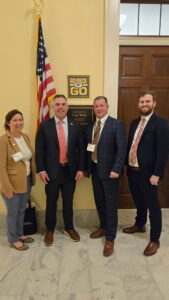
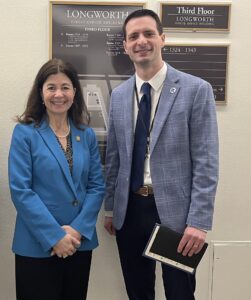
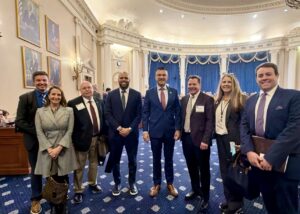
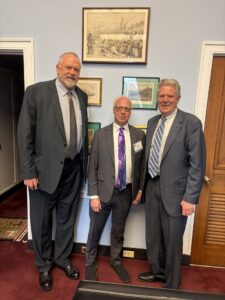
Get a glimpse into these meetings from the gallery below.